
As a specialized laboratory focused on advanced testing within allergy and immunology, we provide clinically relevant, functional assays designed to identify allergic reactions with greater precision—especially when conventional testing may be inconclusive. Watch our company presentation here!

De-risking clinical trials
By providing valuable knowledge about the major effector cell populations involved in acute allergic responses, we help reduce the risk associated with clinical trials.

Identify off target allergic reactions
Through our unique allergen induced basophil histamine release assay (a-BHRA) we can help to identify allergic reactions by detecting histamine release.

Identify autoimmune chronic spontaneus urticaria (CSU)
Through our unique allergen induced basophil histamine release assay (a-BHRA) we can help to identify allergic reactions by detecting histamine release.
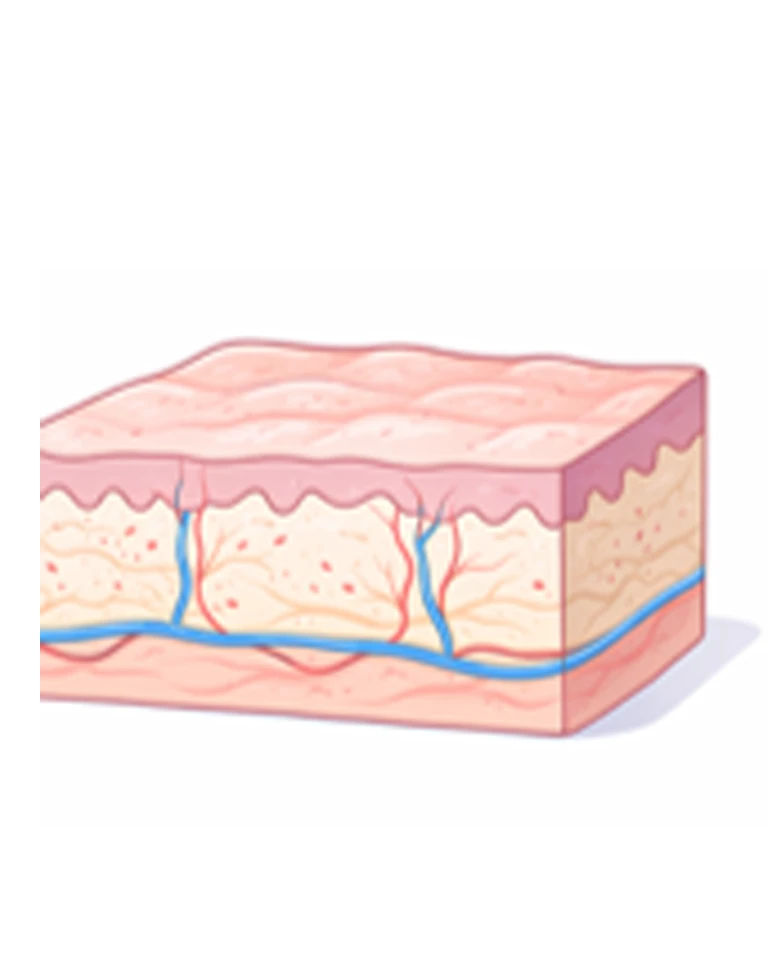
Ex vivo human skin microdialysis (SMD) model
Through our unique allergen induced basophil histamine release assay (a-BHRA) we can help to identify allergic reactions by detecting histamine release.

Tailored solutions
Through our unique allergen induced basophil histamine release assay (a-BHRA) we can help to identify allergic reactions by detecting histamine release.
History
Since becoming part of the R-Biopharm AG group in 2010, RefLab has expanded its capabilities and developed a comprehensive commercial allergy diagnostic system. This includes not only validated test kits but also a dedicated reader, enabling standardized, reproducible, and clinically meaningful assessment of allergic responses across laboratory settings.

RefLab was founded in 1991 by Professor, MD, DMSc. Per Stahl Skov. Per Stahl Skov is a leading expert in allergy research, with a particular focus on the cellular mechanisms behind allergic reactions and the development of functional diagnostic tests.
Over the course of his career, he has contributed significantly to the development and clinical application of the Basophil Histamine Release Assay (BHRA), helping to establish it as a valuable tool for assessing allergic sensitivity. His research bridges basic immunology and clinical practice, enabling more accurate identification of allergy triggers.